Boost Real Estate Sales with Effective Staging
- Ashley Gold
.png/v1/fill/w_320,h_320/file.jpg)
- Nov 24, 2025
- 3 min read
Selling a property requires more than just listing it on the market. The presentation of a home plays a crucial role in attracting potential buyers and securing a sale. Effective property staging can significantly enhance the appeal of a home, making it easier for buyers to envision themselves living there. This article provides practical property staging tips to help increase real estate sales.
Essential Property Staging Tips to Maximize Appeal
Staging a property involves preparing it to look its best for potential buyers. The goal is to create a welcoming, neutral environment that highlights the home’s strengths. Here are some essential tips:
Declutter and depersonalize: Remove personal items such as family photos and excessive decorations. This allows buyers to imagine their own belongings in the space.
Clean thoroughly: A spotless home signals good maintenance. Pay attention to floors, windows, and kitchen appliances.
Use neutral colors: Neutral paint tones appeal to a wider audience and create a blank canvas.
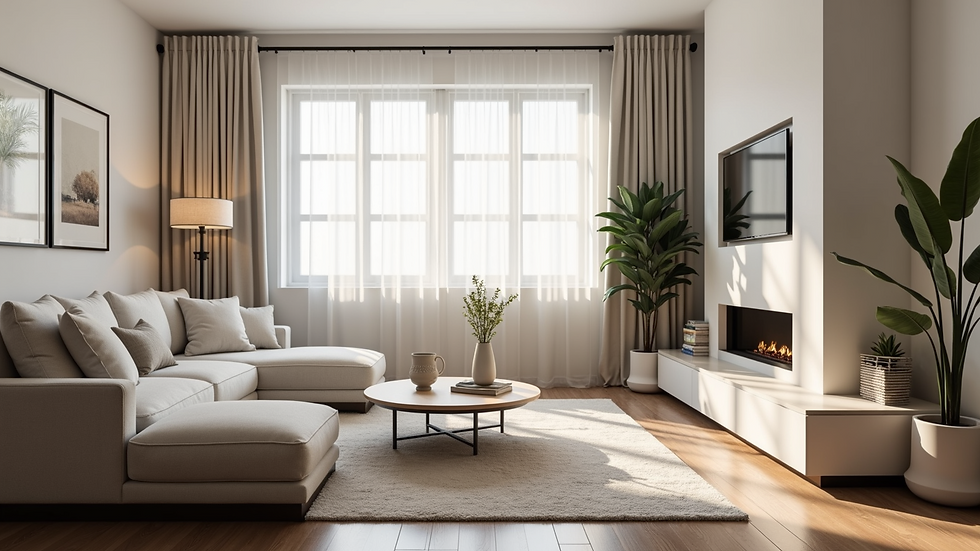
Maximize natural light: Open curtains and blinds to let in sunlight. Well-lit rooms appear larger and more inviting.
Arrange furniture strategically: Position furniture to showcase the room’s size and flow. Avoid overcrowding.
Add subtle accents: Use tasteful accessories like fresh flowers or a bowl of fruit to add warmth without overwhelming the space.
These steps help create a positive first impression and can lead to faster sales at better prices.

What does staging mean in real estate?
Staging in real estate refers to the process of preparing a home for sale by enhancing its appearance and functionality. The objective is to make the property more attractive to potential buyers. This involves cleaning, decluttering, repairing, and decorating the home to highlight its best features.
Staging can be done by the homeowner or by professional stagers. Professionals bring expertise in design and market trends, which can result in a more polished presentation. Staged homes often sell faster and at higher prices compared to non-staged properties.
The process includes:
Assessment: Identifying areas that need improvement.
Repairs and upgrades: Fixing minor issues and updating outdated elements.
Furniture and decor placement: Arranging items to maximize space and appeal.
Final touches: Adding accessories that create a welcoming atmosphere.
Understanding staging helps sellers appreciate its value and invest wisely in the process.
Practical Steps to Implement Staging for Real Estate
Implementing staging for real estate requires a systematic approach. The following steps provide a clear path to effective staging:
Start with curb appeal: The exterior is the first thing buyers see. Ensure the lawn is mowed, bushes trimmed, and the entrance clean.
Focus on key rooms: Prioritize the living room, kitchen, and master bedroom. These areas influence buyer decisions the most.
Neutralize odors: Remove pet smells, cooking odors, and smoke. Use mild air fresheners if necessary.
Highlight storage space: Organize closets and cabinets to show ample storage.
Use lighting effectively: Replace dim bulbs and add lamps to brighten dark corners.
Create a lifestyle image: Set the dining table or place a cozy throw on the sofa to suggest comfort and usability.
These steps help buyers connect emotionally with the property, increasing the likelihood of an offer.

Benefits of Professional Staging Services
Hiring professional staging services can provide several advantages:
Expertise: Professionals understand market trends and buyer preferences.
Access to resources: They have furniture, decor, and tools to transform spaces effectively.
Time-saving: Staging is completed efficiently, reducing time on the market.
Higher sale price: Staged homes often command better offers.
Objective perspective: Professionals identify issues homeowners may overlook.
For those interested in expert assistance, staging for real estate services offer tailored solutions to enhance property appeal.
Maintaining Staged Properties During Showings
Once a property is staged, maintaining its condition during showings is critical. Buyers expect the home to look as good as it does in photos. Follow these guidelines:
Keep the home clean: Regularly tidy up and remove clutter.
Control pet presence: Minimize pet odors and remove pets during showings.
Maintain lighting: Ensure all lights are functional and curtains remain open.
Limit personal items: Continue to keep personal belongings out of sight.
Prepare for last-minute visits: Have a checklist to quickly reset the home before showings.
Consistent upkeep preserves the staged environment and supports a positive buyer experience.
Final Thoughts on Property Staging
Effective property staging is a strategic investment that can accelerate sales and increase property value. By following practical property staging tips, sellers can present their homes in the best possible light. Whether opting for a DIY approach or professional services, staging remains a key factor in successful real estate transactions.


Comments